

How to Prepare for a Dance Competition: The Ultimate Roadmap
Published on April 2026
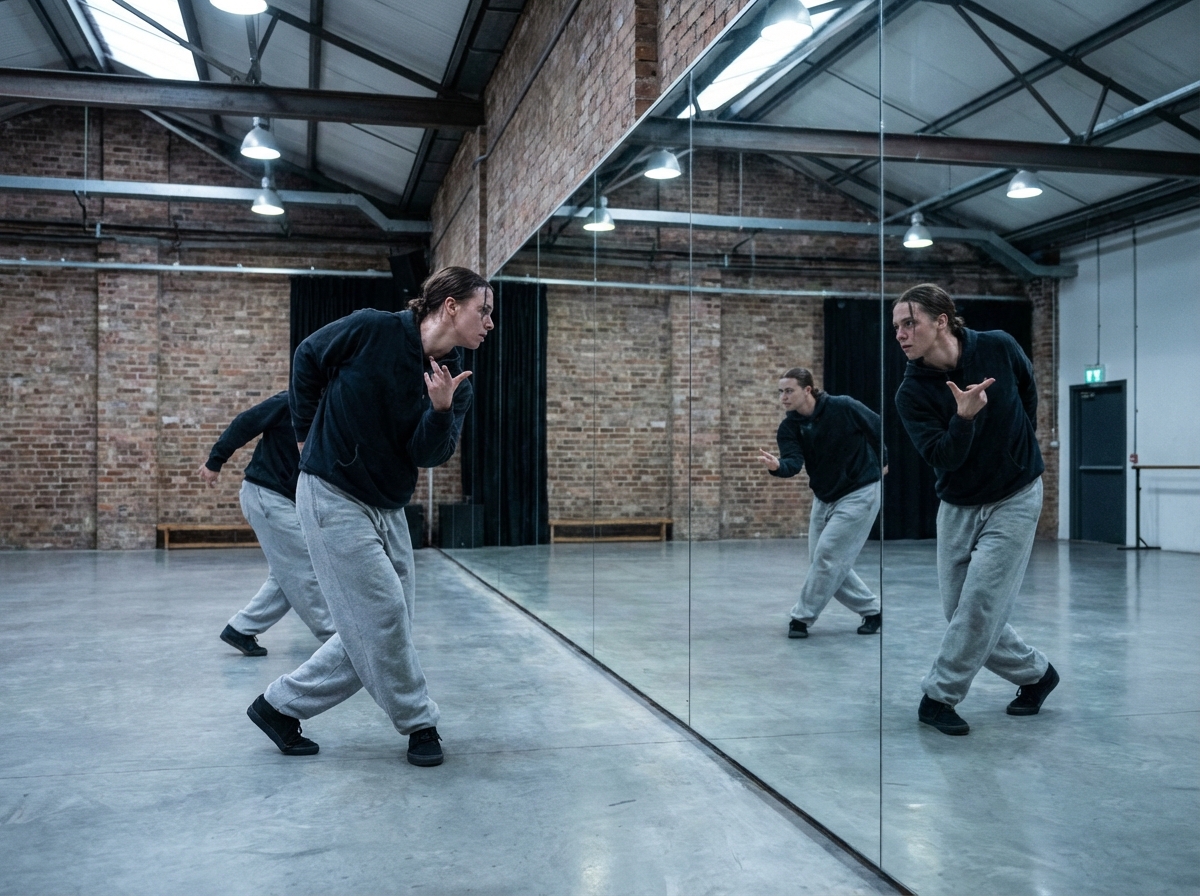
Competing in dance is a completely different discipline from dancing well. A dancer who looks extraordinary in class can fall apart in a competition setting — not because their technique has changed, but because competition demands something their regular training has never asked for: performing consistently under pressure, against a scoring rubric, in front of judges who are looking for specific things.
This guide covers the full process of dance competition preparation — from the weeks before the event to the final moments before you take the floor.
Understanding What Judges Actually Look For
The single most common preparation mistake is training hard without understanding what the scoring criteria rewards. Most dancers practise their routines to make them feel good. Judges score routines against a rubric that may weight technical execution, artistry, choreography, and presentation differently — and if you do not know the relative weight of those categories, you may be over-investing in the wrong one.
Before you train a single hour toward a competition, find out:
- What are the judging categories and how are they weighted?
- Are there specific technical requirements or style requirements for your division?
- Has this competition been held before — and if so, what kind of routines have historically placed well?
If your competition publishes official judging guidelines, those are the most valuable document in your preparation. Upload them to your practice system so every hour of training is measured against actual criteria, not your own impression of what looks good.
Building a Structured Training Plan
Unstructured practice is the enemy of competition preparation. Spending hours running through your routine from start to finish feels productive but often reinforces weak sections rather than fixing them. A competition-focused training plan works differently — it identifies your weakest scoring elements and dedicates a disproportionate amount of time to fixing those specifically.
Structure your weeks in phases:
In the first two weeks, focus entirely on technique. Run the routine slowly, section by section, and identify the moments where your form breaks down. These are your scoring vulnerabilities. Fix the body mechanics at slow speed before adding performance energy.
In weeks three and four, shift from technique to consistency. Your goal is not perfection — it is repeatability. Can you execute the technically correct version of each section five times in a row? Ten times? Consistency under mild fatigue is what competition requires.
In the final one to two weeks, shift to performance. Full run-throughs, filming yourself, watching back immediately, and rehearsing the performance mindset — the ability to stay present and committed even when something goes slightly wrong.
The Role of Video Feedback in Competition Prep
The gap between how a performance feels and how it looks on camera is one of the most important things to understand about competition preparation. Judges see your performance. They do not feel it.
Recording yourself and watching back is not optional — it is the only mechanism available for closing that gap. But raw self-recording has a limitation: most dancers watch their own footage and notice the large things — a step that is clearly off, a turn that does not complete — while missing the subtler issues that cost points in a close competition, such as the slight slouch in the shoulders on the third eight-count, or the weight transfer that is consistently a fraction late.
This is exactly where uploading your footage to DanceBetter changes the process. The AI analyses your movement against your competition's judging criteria — identifying which specific technical elements are costing you points and how much improvement in each would affect your overall score. For each issue found, you receive a specific correction and a practice goal with a suggested time commitment.
Managing Competition Nerves
Technical preparation without mental preparation leaves you vulnerable to a performance that does not reflect your actual ability. Competition nerves are a physiological response — an increase in arousal that can improve your performance if managed, or derail it if it catches you off guard.
Practise performing, not just dancing. There is a meaningful difference between running through a routine in your practice space and performing that routine as if you are in front of judges. Add performance conditions to your final preparation weeks — film full run-throughs, invite friends to watch, practise in unfamiliar spaces. Each of these slightly raises your arousal level and gives you practice at performing under conditions that feel higher-stakes.
Have a consistent warm-up routine. A physical and mental warm-up that you perform the same way at every competition anchors your nervous system in familiarity. This is not about superstition — it is about giving your body a known sequence that signals readiness and reduces the cognitive load of dealing with an unfamiliar environment.
Prepare for things to go wrong. They will. How you respond to a mistake during a competition determines far more than the mistake itself. Practise recovery — deliberately introduce small errors in your run-throughs and practise continuing as if nothing happened.
Competition Day Checklist
The day before:
- Final light run-through — do not exhaust yourself
- Check your costume, hair, and all required materials
- Confirm your performance time and arrival requirements
- Sleep
On the day:
- Arrive early enough to see the space before you perform
- Complete your full warm-up routine
- Watch at least one other competitor in your division if possible
- Stay hydrated and fuelled — performance requires energy
- In the final minutes before you take the floor, focus on what you want to feel, not what you want to avoid
Frequently Asked Questions
How long before a competition should I start preparing? Six weeks is the minimum for a structured preparation programme. Eight to twelve weeks gives you time to genuinely internalise corrections rather than just layering them on top of existing habits. If you have less than four weeks, focus exclusively on consistency and performance quality — attempting major technical overhauls this close to the event usually creates more problems than it solves.
What should I focus on in the last week before a dance competition? Full run-throughs, performance energy, and mental preparation. The last week is not for fixing technique — it is for embedding what you have already fixed into your performance. Any major technical change introduced in the final week will feel uncertain and often shows as hesitation during the actual performance.
How do I know what judges will be looking for at my specific competition? Look for the competition's official judging criteria or scoring rubric on their website or registration materials. If none is published, contact the competition organisers and ask. If the competition has been held in previous years, watch footage of past winners in your division — the patterns that appear across multiple winning performances reveal what the judges value.
Can AI help with dance competition preparation? Yes — specifically for the technique and criteria-matching work. An AI coaching tool like DanceBetter can compare your footage against a competition's published judging criteria, score you against those criteria, identify which technical elements are costing you the most points, and build a prioritised practice schedule around those elements. It cannot replicate the experience of performing in front of an audience, but it handles the analytical side of preparation more precisely and consistently than self-assessment alone.
Is it worth competing if I am a beginner? Yes, with the right expectations. Beginner competition divisions exist specifically for dancers at the early stages of training, and the experience of performing in a structured environment — even once — teaches you things about your dancing that years of class cannot. Enter to gain the experience, not to win, and use the judge's feedback from the event as your most valuable data for subsequent training.
Ready to start your competition preparation? Upload your current practice video to DanceBetter → Preparing for a specific competition with a 6-week programme? Read about the Gold Medal Bootcamp →