

Dance Audition Tips: How to Prepare, What to Expect, and How to Stand Out
Published on April 2026
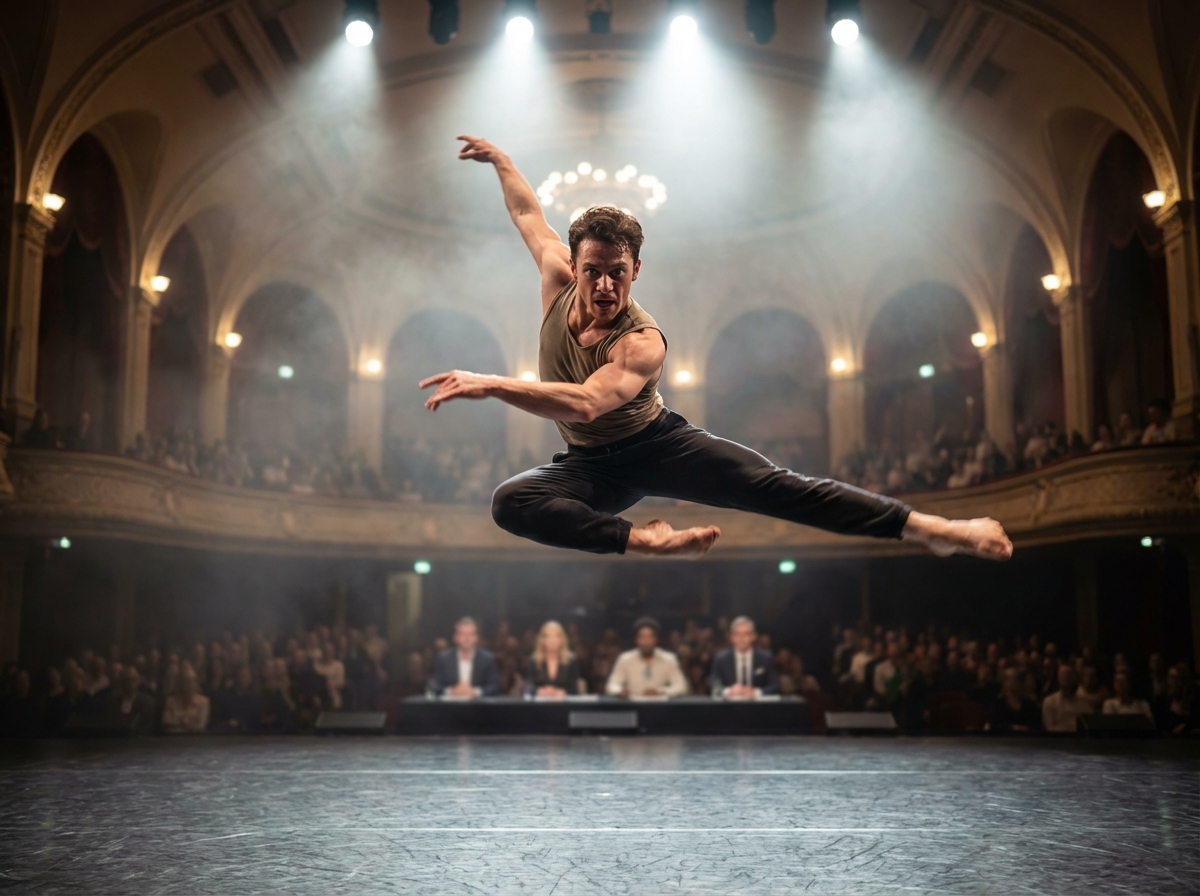
A dance audition is not a performance. It is an assessment — a structured process in which someone is evaluating whether your movement, physicality, and presence match what they are looking for for a specific purpose. Understanding the difference is the foundation of effective audition preparation.
This guide covers everything from the weeks of preparation before an audition to the specific habits and mindset that consistently separate dancers who get called back from those who do not.
Know Exactly What You Are Auditioning For
Audition preparation begins with research, not practice. Every audition has a specific purpose — a company looking for a specific physical type, a school seeking dancers who demonstrate potential in a particular technique, a commercial job requiring a style that fits a brand aesthetic. The preparation for each is meaningfully different.
Before you set foot in a studio or upload a practice video, find out:
- What style or styles will be assessed?
- What is the format — a taught combination, a solo, an improvisation, or all three?
- Are there specific technique requirements mentioned in the audition notice?
- If it is for a school or company, watch footage of their current work. What do they actually look like? What physical qualities appear consistently in their dancers?
The answers to these questions define your preparation. Practising generic technique for a highly specific audition is the most common preparation mistake.
What Audition Panels Are Actually Looking for
Beyond style-specific technique, there are qualities that appear on virtually every panel's assessment — whether the audition is for a professional company, a conservatoire, or a commercial job.
Coachability. When a combination is taught in the room and you need to pick it up quickly, panels are watching how you process new information, how quickly you adapt, and whether you can implement a correction immediately. Looking attentive, responding visibly to direction, and demonstrating that you are processing rather than just waiting is as important as the execution itself.
Physical distinctiveness. In a room of technically comparable dancers, panels look for something that makes you memorable. This is not about doing more — a tendency to over-embellish is one of the most common audition mistakes. It is about the quality and commitment of what you do, and a physical presence that the panel finds interesting to watch.
Consistency. Most panels have dancers perform a combination multiple times, or assess them across multiple sections of the audition. Consistency — producing a similar quality of performance across repetitions, rather than one exceptional take surrounded by mediocre ones — signals the reliability that professional contexts require.
How you handle mistakes. Every dancer makes mistakes in auditions. What panels are watching is how you respond to yours. A dancer who continues without breaking character after a slip tells a panel something valuable about their professionalism. A dancer whose entire performance collapses after a missed step tells a panel something different.
Preparing Your Technique for the Audition Style
Six weeks of targeted preparation before an audition is more effective than general long-term training for the specific purpose of that audition. In those six weeks:
Weeks one and two — identify your technical gaps. Record yourself performing in the style the audition will assess. Watch the footage honestly and identify the two or three elements where your execution falls furthest short of the standard the panel will expect. These are your preparation priorities.
Uploading this footage to DanceBetter gives you a faster, more precise read on those gaps — the AI identifies specifically where your technique diverges from the style's technical requirements and generates a practice schedule prioritised around the highest-impact corrections.
Weeks three and four — target correction. Work specifically and repeatedly on your identified gaps. Slow, deliberate repetition of the technically correct version before adding performance energy. Record frequently and compare against your week-one footage.
Weeks five and six — performance and consistency. Run the full audition repertoire at performance quality. Practice the combination you expect to see in the room, but also practise the experience of being taught something new and executing it under time pressure.
On the Day
Arrive with time to spare. A rushed arrival activates stress responses that directly affect your movement quality and your ability to process new information quickly. If the audition is in an unfamiliar building, look it up in advance.
Warm up your actual body, not a generic warm-up routine. Target the specific joints and muscle groups the audition style requires. A ballet audition warm-up and a commercial hip hop audition warm-up should look different.
Dress for the style. Audition attire communicates your understanding of the context you are auditioning for before you take a single step. Research what dancers in that company, school, or commercial context typically wear and match it — not to impress, but to signal that you belong in that world.
In the room, be present rather than performing. There is a tendency in auditions to put on a performance of "excellent auditionee" — performing enthusiasm, smiling constantly, performing attentiveness. Panels see this and find it less interesting than genuine presence. Do the work in the room. Listen carefully. Respond honestly to what you are taught. That is what panels are looking for.
Frequently Asked Questions
How do I calm down before a dance audition? A consistent pre-performance routine — the same physical warm-up, the same breathing sequence — gives your nervous system a familiar anchor in an unfamiliar environment. Controlled breathing (slow, deliberate exhales) downregulates the stress response. Reframing the nerves as excitement rather than anxiety is supported by research and produces measurably better performance.
Should I make eye contact with the panel during the audition? Yes, where natural. Not sustained, intense eye contact — that reads as aggressive or performative. But looking into the space where the panel sits, rather than at the floor or at your reflection, communicates confidence and draws them into your performance.
What do I do if I forget the combination? Keep moving. A dancer who stops completely when they lose the sequence is harder to assess than a dancer who continues with committed, musical movement even if the specific sequence is not perfect. Panels can work with committed imperfection. They cannot evaluate a frozen dancer.
How long after an audition should I expect to hear back? This varies enormously. Professional company auditions may take days to weeks. School conservatoire auditions often have defined timelines communicated at the audition. Commercial jobs may respond within 24 hours or not at all if you are not selected. Follow up once, politely, if you have not heard within the timeframe communicated. Then practise the skill of moving on to the next preparation regardless of the outcome.
Can AI help me prepare for a dance audition? Yes — specifically for the technique and self-assessment work. AI analysis of your practice footage identifies the specific technical elements that need attention before the audition, so your preparation time is spent on the things that matter most. It also provides a consistent external perspective across your preparation, tracking improvement over time in a way that pure self-assessment cannot.
Preparing for an audition? Upload your practice video to DanceBetter → Also competing? Read our full competition preparation guide →