

How to Get Dance Feedback Without a Teacher
Published on May 2026
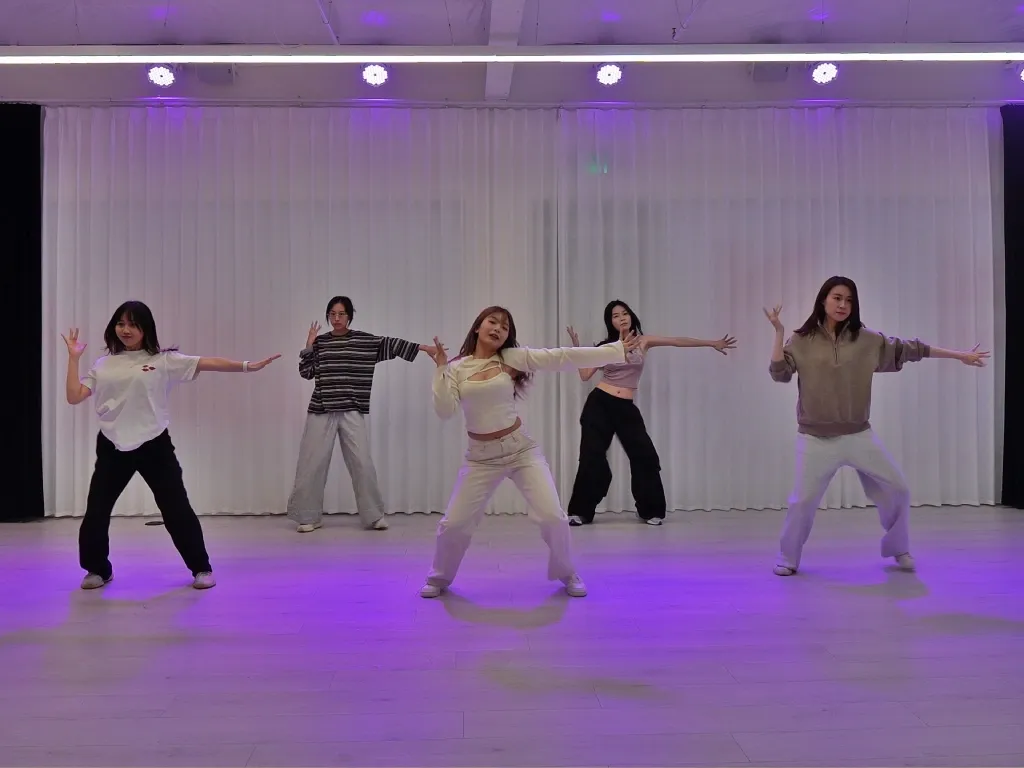
The hardest part of learning to dance without a teacher is not the lack of instruction — there is more tutorial content available now than any dancer could consume in a lifetime. The hardest part is the feedback gap. You can watch the correct movement a hundred times and still not know if what you are doing matches it, because what movement feels like from the inside is almost never what it looks like from the outside.
DanceBetter closes that gap. Upload a thirty-second practice clip and receive a full technique breakdown in seconds — specific corrections across your head position, arm lines, posture, and footwork, plus a personalised practice schedule telling you what to work on next. No teacher in the room. No waiting for your next lesson. Just a precise, honest read on what your footage actually shows.
This article explains why self-assessment fails, what good feedback actually looks like, and exactly how to use AI analysis to replace the external eye you would otherwise need a teacher for.
Why You Cannot Trust How Dancing Feels
Your body has a sense called proprioception — an internal awareness of where your limbs are in space. In theory this should tell you whether your arm is fully extended or dropping short, whether your weight is fully committed to each step or staying cautiously distributed. In practice, proprioception is calibrated to your existing movement habits, not to correct technique.
This is why a dancer can feel like they are making a big, sweeping arm movement and look, on camera, like they are making a small, cautious one. The internal experience is real — the arm feels extended. But the habit pattern that generated the movement has been pulling it short for years, and proprioception has adjusted its baseline accordingly.
The gap between internal experience and external appearance is not a beginner problem that disappears with experience. Professional dancers deal with it their entire careers. The difference is that professional dancers have coaches who close the gap consistently, so it never gets the chance to compound.
Without that external eye, the gap grows.
Why a Mirror Is Not Enough
The obvious solution is to practise in front of a mirror. Mirrors are useful — but they have a significant limitation that most dancers underestimate.
When you look at a mirror while dancing, your attention is split between executing the movement and observing it. The brain cannot do both fully simultaneously. What you end up with is a degraded version of each — movement that is slightly worse because part of your attention is elsewhere, and observation that is patchy because part of your attention is on the movement.
There is also the reversal problem. A mirror image is horizontally flipped, which means the "right arm" in your reflection is actually your left arm. For choreography that requires matching a reference, this creates a constant translation burden that slows down learning.
Video removes both problems. You execute the movement with full attention, then watch back with full attention. And what you see is exactly what an audience would see.
What Good Feedback Looks Like — Specific vs Vague
Not all feedback is equally useful. The difference between feedback that produces improvement and feedback that does not is specificity.
Vague feedback: "Your arms look a bit stiff."
Specific feedback: "Your left elbow is fully locking on the extension in counts three and four of the phrase. The arm is reaching the correct position, but the locked joint removes the elasticity that makes the movement look fluid. Maintain a soft micro-bend through the full extension."
Vague feedback tells you that something is wrong. Specific feedback tells you what is wrong, where in the movement it happens, what it looks like from the outside, and what the correction is. Only specific feedback gives you something to practise.
This is where most self-assessment falls short. Even when you watch your own footage and notice a problem, it is difficult to articulate exactly what the correction is — because you are working from an internal sensation rather than from technical knowledge of what the movement should look like.
[Screenshot: DanceBetter feedback report showing a specific correction — e.g. "Footwork: weight transfer on the direction change at count 5 is incomplete. 40% of your weight is remaining on the left foot, creating a shuffle quality rather than a clean directional step. Practice: slow the direction change to half tempo, focusing on full weight arrival before initiating the next step."]
How DanceBetter Generates Specific Technique Feedback
When you upload a clip to DanceBetter, the AI analyses your movement across every part of your body simultaneously — producing the kind of multi-point specific feedback that would take a human teacher several slow passes through the same footage to generate.
Head and eye focus. The AI identifies whether your gaze is dropping to the floor, whether your chin position is affecting your postural chain, and whether your head is leading your movement or following behind it. Head position affects the appearance of confidence more than almost any other single element — and it is one of the hardest things to self-monitor while concentrating on the rest of the movement.
Arm lines and hand placement. Whether your extensions are reaching their full potential, whether your elbows are softening or locking at the wrong moments, and whether your hands are completing or cutting your lines. Arm habits are among the most common sources of a "stiff" appearance, and among the hardest to catch in a mirror because the translation issue means you are always reading the wrong arm.
Posture and body alignment. Whether your shoulders are rising under effort, whether your chest position is limiting your movement range, and whether your core is genuinely supporting the movement or whether your lower back is compensating. Postural issues compound through a movement phrase — a slight shoulder elevation at the start of a sequence affects every element that follows it.
Footwork and weight transfer. Whether your steps are landing with complete weight commitment or staying tentatively distributed, whether your timing is sitting on the beat or drifting, and whether your floor connection is generating the grounded quality the movement requires.
[Screenshot: DanceBetter full feedback breakdown showing all four body-area analyses side by side, each with a specific correction note and a severity indicator]
The Practice Schedule — Turning Feedback Into a Plan
Feedback without a plan is just information. What makes feedback actionable is knowing which problem to address first, how to practise the correction, and how to know when it has been fixed.
After the technique breakdown, DanceBetter generates a personalised practice schedule based specifically on what it found in your footage. The schedule is sequenced by impact — the problems causing the most damage to the quality of your overall movement get addressed first, so your practice time is spent where it matters most.
Each task in the schedule includes a specific focus, a suggested time allocation, and a note on what to look for when you record your correction attempt. Follow the schedule, upload a new clip after a few days of practice, and the analysis updates to reflect what has changed and what still needs attention.
[Screenshot: DanceBetter practice schedule for the week — showing daily tasks like "Tuesday: 10 mins. Arm extension — soft elbow through full range. Film from the front. Check: can you see daylight under both elbows at the top of the extension?"]
How to Set Up for the Most Useful Footage
The quality of the feedback you get from DanceBetter depends partly on the quality of the footage you upload. A few simple things make a significant difference.
Position your camera at full-body height. Your full body — head to toe — needs to be visible in the frame. A phone propped at waist height cuts off your footwork and hides the lower-body elements that are often where the most important technique issues live.
Film from the side as well as the front. Front view shows arm symmetry, facial direction, and whether you are travelling in the intended direction. Side view shows posture, weight transfer, and whether your chest is over your hips or behind them. If you only film one angle, the side view reveals more technical information.
Use light that faces you. Natural light from a window in front of you works well. Light behind you creates a silhouette that makes the footage difficult to analyse for precise body position.
Upload your mistake takes, not just your best ones. The takes that felt wrong are the most useful footage for identifying what needs correction. Your best take tells you what you are capable of. Your typical take tells you what your habits actually are.
[Screenshot: Example of well-lit, correctly framed practice footage uploaded to DanceBetter — full body visible, side angle, good contrast]
Getting Feedback on Specific Styles
DanceBetter's analysis adapts to what it sees in your footage rather than applying a one-size-fits-all technical framework. The corrections for a hip hop freestyle are different from the corrections for a ballet combination, which are different again from the corrections for a bachata partner dance.
For choreography styles (K-pop, TikTok dances): Upload your take alongside the original reference video. The AI compares both bodies frame by frame and identifies the specific counts where your timing, angles, or footwork diverge from the original — so you know exactly which section of which count to work on in the next take.
For technique styles (ballet, contemporary, jazz): Short isolated clips of specific exercises give more targeted feedback than a full combination upload. A thirty-second clip of your pirouette preparation and execution gives a more precise read on your turn mechanics than the same time embedded in a longer piece.
For social dance styles (salsa, ballroom, couples dancing): Film from both front and side. The side view is particularly important for hip movement, weight transfer, and the postural connection between partners that determines how the lead-follow communication feels.
Frequently Asked Questions
How is this different from just watching my own video? When you watch your own footage without AI analysis, you see what you notice. AI analysis identifies what is technically significant — which is not always the same thing. Most dancers watch their footage and catch the obvious issues (a turn that does not complete, a step that is clearly off). They miss the subtler habits — a weight transfer that is consistently half a beat late, a shoulder that rises under effort on every fourth count — that a technical analysis identifies consistently.
Can I get useful feedback as a complete beginner? Yes. The analysis calibrates to what it sees in your footage rather than assuming a fixed standard. Beginner footage gets beginner-appropriate corrections. There is no level requirement.
What if I disagree with a correction? Apply it anyway, record the result, and compare. If the corrected version looks better on camera, the correction was right regardless of how it felt. If it looks worse, that is useful information too — upload the comparison and let the analysis update based on the new footage.
How often should I upload? Once or twice a week is the most effective rhythm for most dancers. This gives you enough practice time between uploads to actually work on the corrections before submitting new footage, so each analysis reflects genuine change rather than the same unaddressed habits.
Ready to find out what your footage is actually showing? Upload a practice clip to DanceBetter →
Wondering how AI coaching compares to private lessons? Read our honest comparison →
Want a full guide to structuring your home practice sessions? Read our practice guide →